

Blogs and insights
Weeping Tile Replacement and Exterior Waterproofing: Why Fall Is Your Window
Published on
November 7, 2026
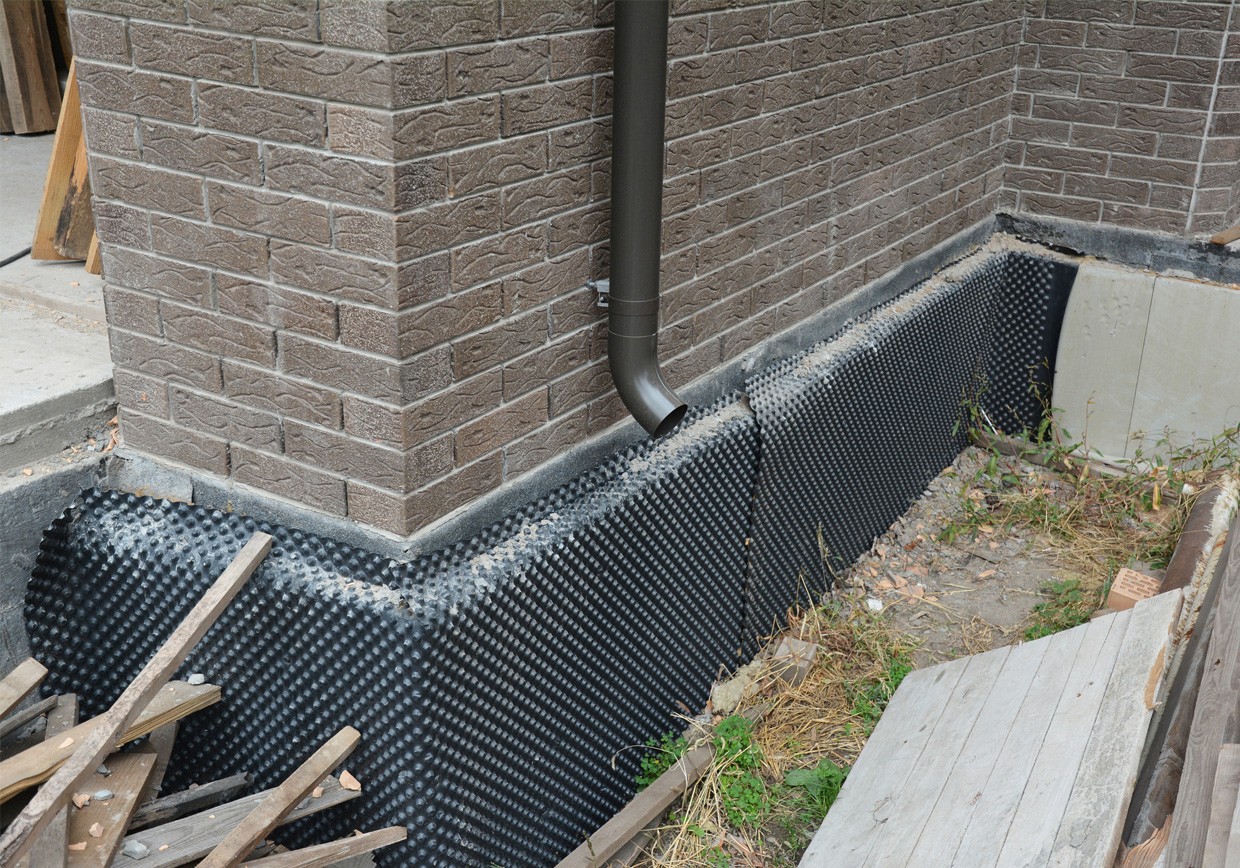
If you've noticed damp patches on your basement wall after a long fall rain, a musty smell that won't clear, or a sump pump that seems to run every time the sky clouds over, your foundation drainage is probably telling you something. In most London and St. Thomas homes, that something is failing weeping tile, and late fall is the last good chance to fix it properly before the ground freezes.
I'm Dwayne, and I own PMD Excavation. We dig beside foundations for a living, and the honest truth is that a leak you see in October almost always gets worse by March. Here's why, and what a proper fix looks like.
Why fall leaks get worse over winter
When temperatures swing back and forth around zero, water in saturated soil freezes, expands and pries at every weak spot in your foundation's coating. If your weeping tile is old clay that's cracked, or plastic pipe that's clogged with silt and roots, it stops carrying water away, so meltwater sits against the wall and works its way through mortar joints and hairline cracks with every freeze-thaw cycle. By late winter, that's when people start seeing white chalky efflorescence, peeling paint and water at the floor-wall joint.
London's heavy clay soils make this worse because clay holds water and swells against the wall, and a lot of pre-1970s homes in both cities still rely on their original clay tile. Fixing the drainage path and sealing the wall from the outside takes that pressure away at the source.
A real example: the leak hiding under a sidewalk
One of our customers in St. Thomas, Dave, called us when his basement started leaking through one of its walls. When we dug in, we found a damaged section of weeping tile sitting right under an old concrete sidewalk, which is exactly the kind of spot that gets missed because nobody wants to break concrete. We removed the sidewalk, replaced the tile, sealed the wall and poured a new section. In his words: "It's been 9 months with no signs of leaks!"
That job sums up how we work. We find the actual failure, even when it's in an inconvenient place, and we fix it once.
How PMD replaces weeping tile, step by step
1. Find the real failure
Every job starts with a free on-site visit. We look at downspouts, grading, window wells, sump discharge and where surface water runs, then pinpoint where the tile has likely collapsed or clogged. If a sidewalk, step or patio sits over that section, we plan for its removal and repour up front, so it's in your quote and not a surprise later.
2. Call in locates and dig safely beside the foundation
We request Ontario One Call locates before any digging (here's why that matters). Then we use compact equipment and protective matting to expose the wall down to the footing. Narrow side yards and between-house work are a regular part of what we do, and we use trench protection wherever the depth or soil calls for it.
3. Replace the weeping tile
We pull out the failed sections and lay new perforated pipe with a filter sock on a bed of clean, graded stone, sloped toward a sump or an approved outlet. Foundation drains should never be connected to the sanitary sewer, so we make sure yours goes where it's supposed to.
4. Waterproof the wall
Once the wall is cleaned and any cracks are addressed, we apply a waterproofing membrane suited to your foundation, followed by a drainage board that protects the membrane and gives water a clear path down to the new tile.
5. Backfill, grade and restore
We backfill with clean stone over the tile so water drains immediately, then finish with soil graded to slope away from the house. Any concrete we removed is repoured with proper slope and clean joints, and your sump discharge is checked so the check valve on the discharge line keeps pumped water from flowing back.
What to expect when we dig beside your house
Most people's biggest worry isn't the leak, it's what their yard will look like afterwards. That's a fair worry, because plenty of homeowners have been burned by contractors who dug a trench and disappeared. Here's what you can count on from us: we lay protective matting before the machine moves, we keep spoil piles contained, we tell you each day what's happening next, and we don't call the job done until the grade is restored and the site is clean. No guesswork, no runaround and no mess left behind.
Why acting before freeze-up matters
Workable ground means faster digging and better compaction. Most membranes need temperatures above their minimum application range to bond properly, which is far easier to hit in October and November than in January. Fresh stone backfill relieves pressure on the wall right away, so you go into freeze-thaw season with a corrected drainage path instead of a failing one. We can work in colder conditions with frost protection, but it takes longer and costs more, which is why late fall is the efficient window.
Exterior or interior waterproofing?
Interior coatings hide the symptoms, and interior drain systems manage water once it's already inside the wall. Both have their place, especially where outside access is impossible. Exterior waterproofing with new weeping tile is different because it stops water before it reaches the wall at all, which protects finished basements, indoor air quality and the foundation itself. If your yard allows access, it's the long-term fix.
How much does exterior waterproofing cost?
Most of the drainage and waterproofing projects we quote fall between $5,000 and $22,000+, and where yours lands depends on a few things:
- Length of wall and access: a short section on one side costs far less than a full perimeter, and tight side yards take more care.
- Depth to footing and soil type: deeper footings and heavy clay mean more digging and more protection.
- Concrete or landscaping removal: sidewalks, steps and patios over the problem area need to come out and go back in.
- Membrane and drainage board: materials are chosen to suit your foundation and water conditions.
- Sump and discharge routing: new tie-ins or rerouted discharge lines add to the scope.
You'll get a clear, written quote after the site visit, and what we quote is what you pay.
How long does it last?
Done with quality materials, clean stone, proper slope and a correct outlet, exterior waterproofing and new weeping tile should protect your home for decades. Grading, downspouts and tree roots all affect lifespan, so keeping roof water moving away from the house matters (our site grading guide explains how).
Quick FAQ
Can you work between houses or in a narrow side yard?
Yes. Tight-access trenching with compact equipment is a big part of our work, including French drains between neighbouring homes.
Will my yard be wrecked?
No. We protect the work area with matting, keep the site contained and restore the grade before we leave.
Can weeping tile connect to the city sewer?
It shouldn't connect to the sanitary sewer. It needs to drain to a sump or an approved outlet, and we'll make sure yours does.
Can this be done in winter?
It can, with frost protection, but it's slower and costs more. Late fall is the better window.
What if the water is pooling in the yard, not the basement?
That's often a grading or surface drainage problem rather than weeping tile. Here's what to do when water pools in your backyard.
Book your free site visit before freeze-up
If fall rains are showing you leaks, don't wait for the ground to lock up. Book a free on-site visit and I'll walk your property, find the actual failure, explain the fix in plain language and give you a written quote. We serve homeowners across St. Thomas, London, Central Elgin and Port Stanley. Learn more about our drainage and waterproofing services or our London excavation services.
Call 226-559-2112 or get your free quote.


